
Embarking on the journey of cultivating your own vegetables can be one of the most rewarding experiences for anyone seeking to reconnect with the rhythms of nature and enjoy fresh produce straight from the soil. Whether you dream of transforming a small balcony into a thriving green space or you have recently secured an allotment plot, the path to a flourishing vegetable garden is paved with thoughtful planning, patience, and a willingness to learn. For those new to the world of growing vegetables, understanding the essentials can make all the difference between a bountiful harvest and a frustrating struggle. This guide brings together twelve essential tips drawn from the wisdom of experienced gardeners and homesteaders, offering practical advice to help you avoid common pitfalls and set yourself up for success from the very beginning.
Planning your first vegetable garden: essential steps before you start
Choosing the Right Location and Assessing Your Garden Space
The foundation of any successful vegetable garden lies in selecting the right location and thoroughly assessing the space you have available. Even if you lack a traditional yard, opportunities abound to start your garden on a balcony, a rooftop, or within a community allotment. The first step involves observing how sunlight moves across your chosen area throughout the day, as most vegetables thrive with at least six hours of direct sunlight. Take note of any shade cast by buildings, fences, or trees, and consider how this changes with the seasons. Access to water is another critical factor; a garden positioned far from a tap or hose connection can quickly become a chore, particularly during the warmer months when watering demands increase. Proximity to your home or allotment shed also matters, as the convenience of a short walk encourages regular tending and monitoring of your crops.
When planning your garden layout, spend time sketching out where each bed or row will sit. Optimising space through thoughtful design can significantly increase your yield and make maintenance more manageable. Long beds measuring around sixteen metres by just over a metre offer an efficient use of space, allowing easy access from both sides while maximising the growing area. If you are working with a balcony or small courtyard, vertical gardening techniques and raised beds can transform even the tiniest spots into productive zones. Assessing your climate and understanding your local frost dates are pivotal steps that inform your planting schedule and crop selection. Knowing the average date of your last spring frost and the first frost in autumn helps you plan when to sow seeds and when to harvest before the cold sets in. This climate awareness, combined with a clear understanding of your available space, forms the bedrock of a well-planned vegetable garden.
Understanding soil quality and preparing your plot properly
Soil quality stands as one of the most important factors influencing the health and productivity of your vegetable garden. Good soil should be dark, crumbly, and rich in organic matter, providing the nutrients and structure that roots need to flourish. Before you begin planting, take the time to assess the condition of your soil. If it appears compacted, pale, or overly sandy, it may require amendment to support vigorous plant growth. Conducting a soil test can reveal the pH level and nutrient content, guiding you in making informed decisions about what to add. Many gardeners find that incorporating compost, well-rotted manure, or other organic materials significantly improves soil fertility and texture over time.
For those confronted with poor or contaminated soil, raised beds offer an excellent solution. By constructing beds and filling them with quality soil and compost, you create an ideal growing environment without the need for extensive ground preparation. Raised beds also provide better drainage and can be easier to manage, particularly for those with mobility concerns. Regardless of whether you choose in-ground planting or raised beds, preparing your plot properly at the outset will save you considerable effort later. Clear away any old equipment, unwanted plants, and debris to give yourself a fresh start. This initial investment in understanding and improving your soil will pay dividends throughout the growing season, as healthy soil underpins every aspect of successful vegetable cultivation.
Selecting vegetables and organising your allotment layout
Best Starter Vegetables for Beginners and Seasonal Planting
Choosing the right vegetables to grow can make your first gardening experience far more enjoyable and productive. It is wise to focus on crops that you and your family genuinely enjoy eating, as this ensures that your harvest does not go to waste and keeps motivation high. Fast-growing vegetables such as lettuce, kale, and radishes are particularly well-suited to beginners, as they deliver quick results and allow you to see the fruits of your labour within a matter of weeks. These crops are also forgiving and require relatively little space, making them ideal for those just starting out.
Staggering your planting throughout the season is a strategy that seasoned gardeners often recommend. Rather than sowing all your seeds at once, plant small batches every few weeks. This approach provides a continuous supply of fresh vegetables and reduces the risk of being overwhelmed by a glut at harvest time. Seasonal planting also means considering what can be grown during the cooler months. Many vegetables, including certain varieties of kale, spinach, and root crops, can be sown in late summer or autumn to provide fresh produce through winter. Growing something every month of the year not only maximises your plot's productivity but also keeps you engaged with your garden across all seasons.
Being selective about the varieties you grow can further enhance your success. While it may be tempting to try a little of everything, limiting the number of different crops and focusing on higher quantities of a few chosen varieties often yields better results. This focused approach reduces the complexity of care and harvesting while increasing the likelihood of a substantial harvest. As you gain confidence and experience, you can gradually expand your repertoire to include more diverse and challenging crops.
Companion planting techniques and space-saving methods
Companion planting is a time-honoured technique that involves growing certain plants together to enhance growth, deter pests, and make the most efficient use of space. For instance, planting aromatic herbs alongside vegetables can help repel unwanted insects, while some plants provide natural support for climbers or fix nitrogen in the soil to benefit their neighbours. Understanding these relationships allows you to design a garden that is not only productive but also more resilient and easier to maintain.
Space-saving methods are particularly valuable for those working with limited areas. Vertical gardening, which makes use of trellises, cages, and stakes, enables crops such as tomatoes, beans, and cucumbers to grow upwards rather than sprawling across the ground. This not only conserves precious space but also improves air circulation and makes harvesting simpler. Raised beds and container gardening further extend the possibilities for growing vegetables in confined areas, allowing you to cultivate a surprising variety of produce even on a modest balcony or patio.
When organising your allotment layout, consider pathways that allow easy access for weeding, watering, and harvesting. Clear, well-defined paths reduce soil compaction in growing areas and make tending your garden less of a chore. Regular weeding, preferably by hand, is one of the most beneficial tasks you can undertake. Keeping weeds at bay reduces competition for nutrients and water, and it also minimises the habitat for pests and diseases. Incorporating perennial plants into your layout can reduce the annual workload, as these crops return year after year without the need for replanting. By thoughtfully organising your garden and employing space-saving techniques, you create a productive and manageable growing environment that supports both your vegetables and your enthusiasm.
Maintaining your kitchen garden throughout the growing season
Watering, Feeding, and Protecting Your Crops from Pests
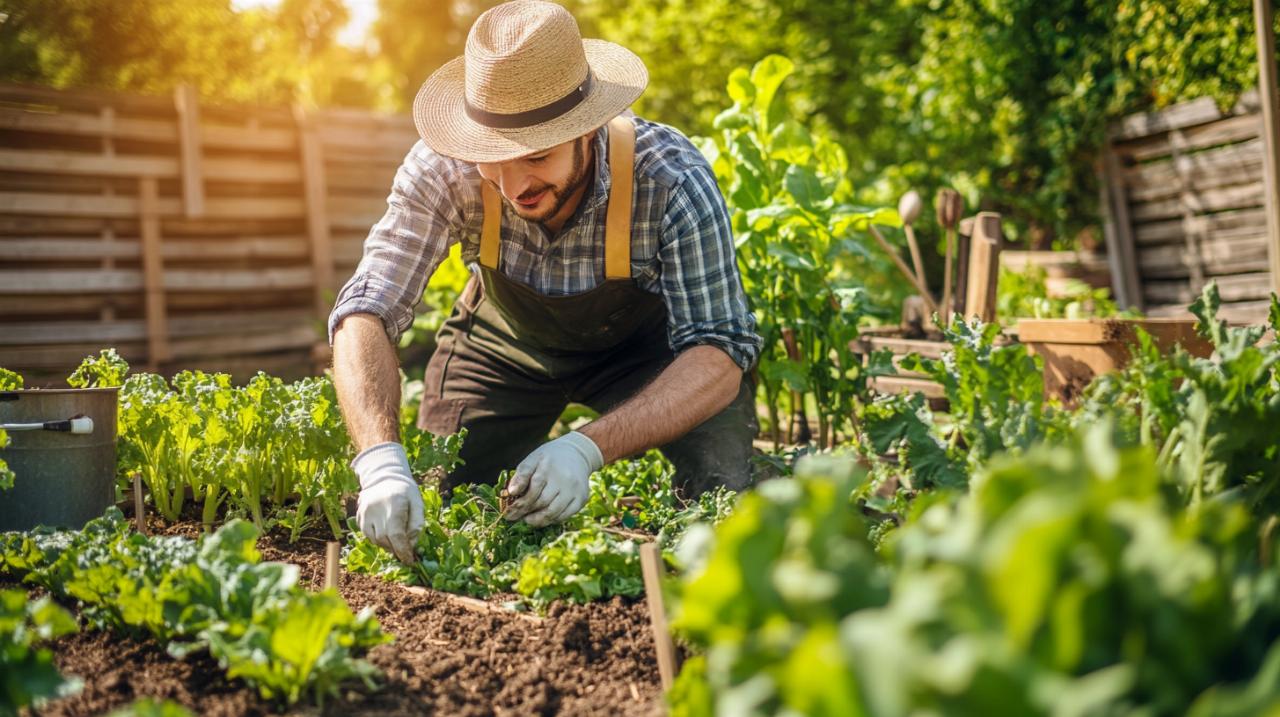
Consistent and appropriate watering is essential to the health of your vegetable garden. Different crops have varying water needs, but as a general rule, most vegetables benefit from deep, infrequent watering rather than frequent shallow watering. This encourages roots to grow deeper into the soil, making plants more resilient during dry spells. Methods such as soaker hoses and drip irrigation deliver water directly to the base of plants, reducing waste and minimising the risk of fungal diseases that can arise from wet foliage. Sprinklers can also be effective, particularly for larger plots, but should ideally be used in the early morning to allow leaves to dry before evening.
Feeding your plants is another key aspect of maintenance. While good soil provides a solid foundation, adding compost or organic fertilisers during the growing season ensures that your vegetables have access to the nutrients they need for vigorous growth and abundant production. Organic gardening practices, which favour natural amendments over synthetic chemicals, promote long-term soil health and create a safer environment for beneficial insects and wildlife. Resorting to chemical interventions should be a last resort, employed only when other methods have failed to address a persistent problem.
Protecting your crops from pests is an ongoing challenge that requires vigilance and a proactive approach. Regularly inspecting your plants allows you to spot signs of trouble early, whether it be aphids clustering on tender shoots, caterpillars chewing through leaves, or slugs leaving telltale trails. Hand-picking pests, using barriers such as netting or cloches, and encouraging natural predators like ladybirds and birds can all help keep pest populations under control. Embracing a learning mindset is crucial, as gardening inevitably involves setbacks and surprises. Each season teaches new lessons, and connecting with other gardeners, whether through local allotment groups, online forums, or gardening courses, provides invaluable support and advice.
Harvesting Tips and Preparing Your Garden for Next Year
Harvesting at the right time is critical to enjoying vegetables at their peak flavour and freshness. Planning for this stage of the gardening process is just as important as planting. Keep a calendar or journal noting when each crop is likely to be ready, and check your plants regularly as harvest time approaches. Many vegetables, such as courgettes and beans, benefit from frequent picking, which encourages further production and prevents over-mature produce from sapping the plant's energy. Others, like root vegetables, can remain in the ground for extended periods, offering the convenience of storage right where they grow.
As the season draws to a close, preparing your garden for the following year ensures a smooth start when spring arrives. Clear away spent plants, but consider adding them to a compost heap rather than discarding them, as they will break down into valuable organic matter. Take time to reflect on what worked well and what challenges you faced, noting these observations for future reference. Soil care remains paramount even in the off-season; covering beds with mulch or planting green manures can protect and enrich the soil over winter. Some crops, particularly hardy winter varieties, can be left in place or sown in late autumn to provide fresh produce during the colder months, extending the productivity of your plot year-round.
Beginner mistakes, such as starting with an overly ambitious plot or buying mature plants that struggle to adapt, are common but easily avoided with careful planning and realistic expectations. Gardening is a season-long process that rewards patience and persistence. By limiting the equipment you purchase to the basics, such as a reliable shovel, a sturdy trowel, and perhaps some stakes or cages, you avoid unnecessary expense and clutter. As you gain experience, you will naturally discover which tools and techniques best suit your style and circumstances. Above all, remember that every gardener, no matter how experienced, began as a novice. Embracing the learning process, celebrating small successes, and remaining open to advice from fellow gardeners will help you build the skills and confidence needed to enjoy a thriving kitchen garden for years to come.